

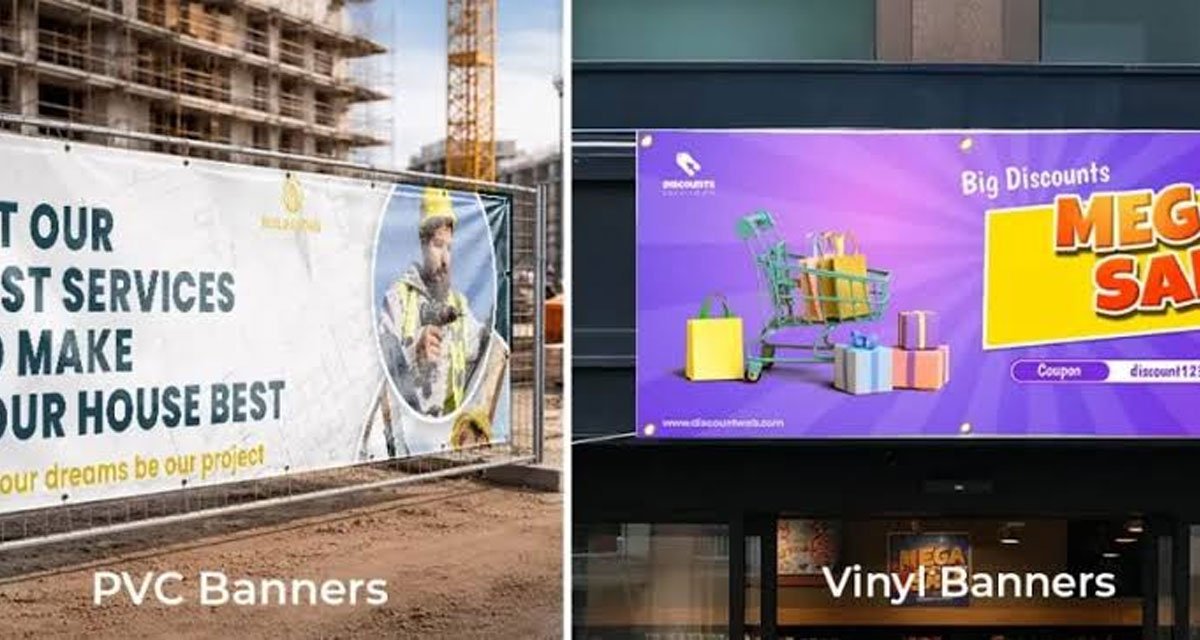
For years, PVC has been a familiar choice for banners, signage, and other forms of physical advertising. It is durable, versatile and well suited to outdoor use, which has made it a go-to material for businesses of all sizes. However, as sustainability becomes a bigger priority, many companies are starting to ask whether effective advertising really needs to depend on PVC.
The good news is that it does not. Businesses can still create bold, professional, and durable advertising while choosing materials designed to reduce their environmental impact.
Why Are Businesses Moving Away From PVC?
PVC performs well, but it can present challenges when businesses are trying to improve the sustainability of their marketing. Conventional PVC materials can be difficult to recycle and may remain in the waste stream long after a temporary campaign has ended.
This is particularly relevant for businesses that regularly produce banners for promotions, events, product launches or seasonal campaigns. When advertising materials are replaced frequently, even relatively small improvements in material choice can make a meaningful difference over time.
Moving away from PVC can therefore form part of a wider effort to reduce waste and make physical marketing more consistent with a company’s environmental commitments.
PVC-Free Does Not Have To Mean Less Effective
There can be a perception that choosing a more environmentally conscious material means compromising on print quality or durability. Modern alternatives, however, have developed significantly.
Businesses can now choose a sustainable banner material that is designed to provide the visual impact required for professional advertising without relying on conventional PVC.
The right material can support vibrant printed graphics, clear branding, and reliable performance across a range of applications. Depending on the product selected, PVC-free options can be suitable for everything from retail displays and exhibitions to outdoor promotions and event signage.
Focus On Strong Design
The material itself is only one part of an effective advertising campaign. A PVC-free banner will still need a strong design if it is going to grab attention.
Keep messaging concise, particularly when advertising in locations where people may only have a few seconds to notice it. Large typography, recognizable brand colors, and a clear call to action can all help make a display more effective.
Avoid trying to fill every available inch with information. In most cases, a simple message that can be understood immediately will achieve far more than an overcrowded design.
Think About The Full Advertising Lifecycle
Sustainable advertising also involves looking beyond the initial material choice.
Before ordering a banner or display, consider how long it will be used. Removing specific dates or short-term offers from designs may allow certain materials to be reused for multiple campaigns. Businesses can also explore appropriate recycling or disposal routes once signage reaches the end of its useful life.
Ordering carefully can help too. Producing only what is actually required reduces unnecessary material consumption and avoids creating surplus signage that may never be used.
Building Sustainability Into Your Brand
Customers are paying increasing attention to how companies approach environmental responsibility. Choosing alternatives to traditional PVC advertising can provide businesses with another practical way to demonstrate that sustainability is being considered across everyday operations.
Ultimately, businesses do not have to choose between effective advertising and more responsible materials. With modern PVC-free options, thoughtful design and better planning, physical advertising can remain eye-catching, durable and commercially effective while supporting broader sustainability goals.