

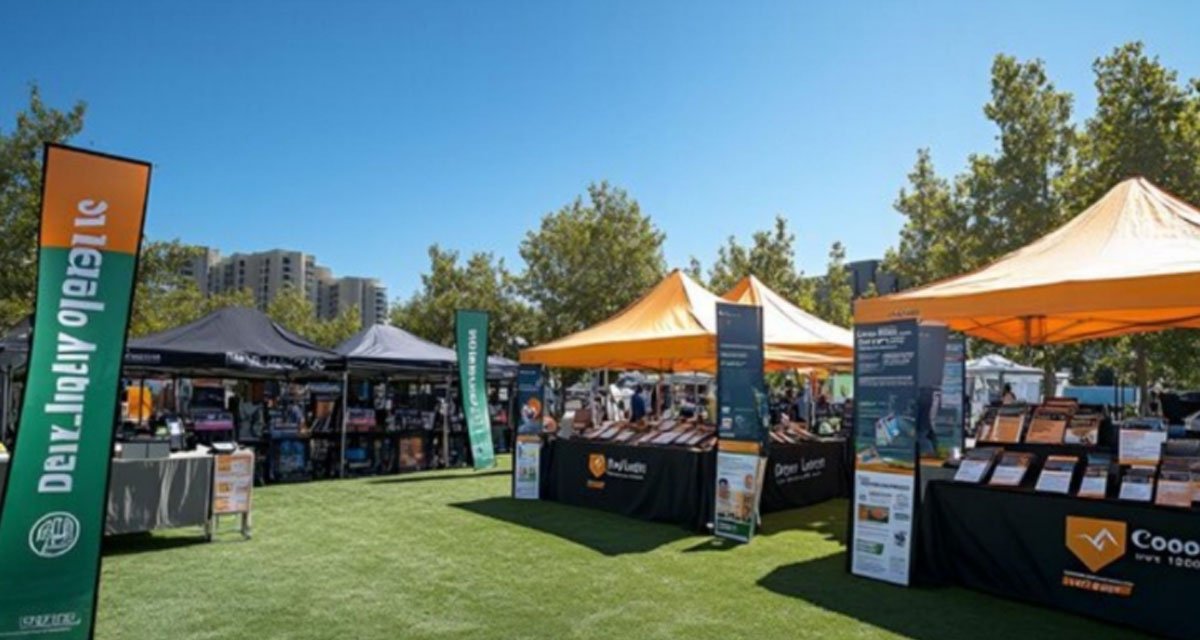
The call to a trade show’s final event can mean the curtain is falling, but the exhibition tent has an important task: getting ready for the next show. Good post-event care is important to ensure that the fabric, frames, graphics, fasteners, flooring, and accessories don’t wear out too quickly and that you don’t get any nasty shocks when it comes time to set it up again. When operating business tents at many shows, the regular packing, loading, unpacking, and handling by hordes of noisy show-goers can have a cumulative impact on performance. Whether it’s a branded structure or a custom inflatable replica, careful maintenance enhances every aspect. Spending a few extra minutes cleaning and repairing equipment after every event can save you much bigger repair bills down the road and keep your tents looking sharp for years. A well-structured approach to the care of exhibits can be used for any type of exhibit, whether owned, rented, modular, or custom-built, and can be used as a practical basis for event preparation as well as long-term use of exhibits.
7 Essential Steps To Take Care of Your Commercial Tents and Canopies
1. Inspect Everything Before Packing
Post-event maintenance should start with a careful inspection and not immediately folding the tent. In a hurried teardown, dirt, spilled liquids, food, moisture, bent parts, broken connectors, and missing hardware are very easy to overlook.
Food vendors’ tents should be singled out because grease, sauces, food residue, and moisture may be able to get trapped on the fabric and on the floor. These contaminants should be taken care of before storage, as they can stain, cause odors, and cause material damage.
2.Remove Dirt Using Appropriate Cleaning Methods
Always clean as per the material recommendations suggested by the tent manufacturer. Fabric is usually best treated with soft cleaning methods like the use of proper soap or cleaning solutions, as well as soft brushes or gentle pressure washing, to avoid harsh chemicals, heavy brushes, or pressure washing, which may permeate the fabric, strip away coatings, or affect the stitching.
Removing loose dirt prior to washing and cleaning up stains immediately should be done. Special attention should be paid to parts that come into contact with the ground, food, footwear, etc. frequently.
The cleaning procedures for graphics and printed sections might not be the same as for the canopy fabric.
3.Dry the Tent Completely Before Storage
Exhibit equipment is one of the most sensitive items to moisture in storage. When the canopy is folded and packed in a damp condition, it may lead to moisture getting trapped within the fabric layers, fostering the growth of mildew, odors, and deterioration of materials.
The tent should be thoroughly air-dried prior to packing after it has been cleaned or after exposure to rain. A clean, dry surface can be spread out in a suitable dry area with adequate air movement until it is free of any visible or residual moisture.
4.Check Frames, Hardware, and Connections
While a tent’s fabric can be the star of the show, it’s important not to overlook the structural elements, which deserve attention as well. The frames should be checked for any bends, cracks, corrosion, loose connections, and broken locking mechanisms, whether in aluminum or steel.
Fasteners, clips, brackets, hinges, and connectors should be maintained in proper alignment. No missing or damaged hardware shall be found during the installation of an event, but shall be replaced prior to installation.
If your moving parts are experiencing issues, they may need maintenance based on the manufacturer’s recommendations.
5.Fold and Pack Components Systematically
An exhibition tent can be used for a long period of time if it is packed and unpacked with care. Fabric should be folded in a recommended manner, not compressed in a storage case randomly. Undue stress on printed surfaces, seams, and coatings can result from excessive creasing.
Wherever possible, delicate graphics or fabric should be separated from frames and hardware as well. If the printed panels of your tents are subjected to pressure from heavy items, such as scratches, creases, or damage during transportation.
6.Store the Tent in a Suitable Environment
The life of exhibition equipment can be affected by long-term storage conditions. A cool, dry, sun-protected, sharp-free, and damp-free garage or storage area is better than an unshaded garage or damp storage area.
Cases should be left in place as per the manufacturer’s instructions, especially when stacking equipment may be placing excessive pressure on the fabric or structures.
It’s a good idea to inspect it periodically, even if it is not in use for an event. Knowing what is wet, rusted, infested with insects or pests, or damaged lets you take corrective measures before the next use.
7.Complete Repairs and Create a Pre-Event Maintenance Record
The time to handle damage is when it’s new and it’s happening. Small rips, lost stitching, broken connectors, broken stakes, faded graphics, or worn carrying cases can escalate into bigger issues.
A maintenance record can include the condition of the tent, repairs performed, parts that need to be replaced, cleanings performed, and future inspections required. This can be very handy for companies with multiple tents or frequent trade shows.
The entire kit will be checked against the inventory again prior to the next event. This last verification ensures that repaired parts are in place and working properly, minimizing set-up delays on the day of the event.
End Point
Just because a trade show tent can be neatly packed up in a box doesn’t mean that it is ready for use next time. Careful examination, proper cleaning and drying, mechanical checks, folding, and timely repairs can help maintain your investment and enhance the reliability of your setup. Regular maintenance after each event keeps it looking and working properly; each time you use it, it works as well as it did before.